
 UKR
UKR RU
RU SK
SK


As soon as the task of landscaping one's own plot arises or municipal services have an order to work with an urban territory, the question of manufacturing a drainage system is most often considered first. The main material in creating molds for manufacturing drainage systems is ABS plastic. It provides the finished product with a number of advantages that generate demand among many. Let's consider how to install drainage systems, the features of using drainage molds, and what the pros and cons of drainage molds are.
Advantages of using ABS drainage molds
Molds for manufacturing drainage systems made of ABS have high strength; manufacturers usually promise that the mold can withstand up to 100 pours of the concrete mixture. Such molds are quite repairable; in the event of damage, they are easy to fix and return to their original shape. Absolute resistance to chemical substances (even of an aggressive nature), lightweight, and durability set ABS molds apart. And most importantly, ABS plastic is maximally eco-friendly, it does not harm the environment in any way. Despite all these advantages, on top of everything else, such molds have a low price.
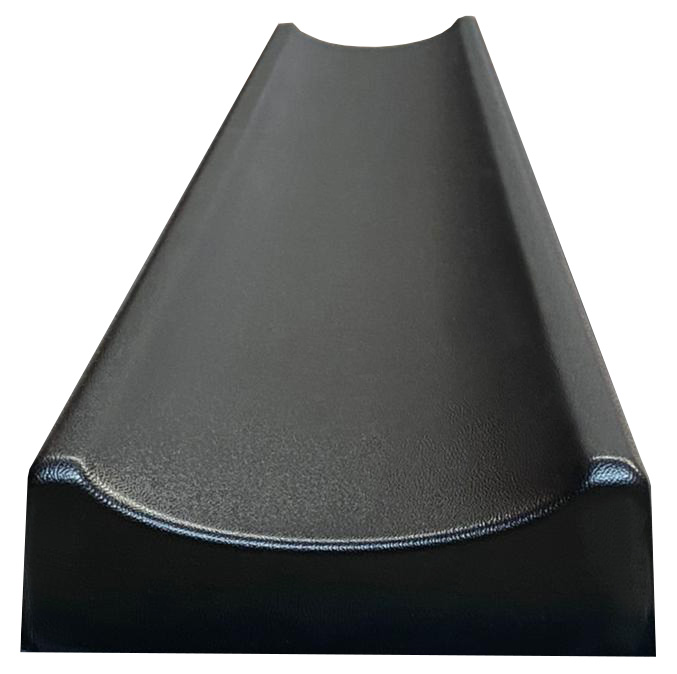
Features of using ABS drainage molds
Drainage systems made from a concrete mixture are a crucial component of landscaping an open area. They fit well into any landscape design, will not stand out, but will harmoniously complete the picture. By the way, they can also be painted in the desired color, and you can even consider complex color schemes, such as a marble style.
If you decide to independently manufacture drainage systems from a concrete mixture, then be sure to choose the right components for the mixture. This is the first step, which will play a very important role in the future. Usually, mineral fillers (sand, granite screenings, and other components can be used), cement, a plasticizer, and if a certain color is needed, a coloring element are used as raw materials. After all the components of the mixture are brought to a homogeneous state, it is necessary to pour the mixture into the mold. The entire mold is placed on a vibrating table, which compacts the future product, displacing all air and moisture from the composition. After the entire process on the vibrating table (which takes only a couple of seconds), it needs to be given a day to dry.
In advance, you need to organize a warehouse or a similar place where concrete products will subsequently be stored. A mandatory condition is the presence of a flat horizontal surface. After the concrete product dries, they should be left in a dry place for complete hardening (for about a week). This way you can be sure that the product is fully ready for operation.
If you don't want to waste time manufacturing drainage molds, we recommend buying them from us. In our store, there are both drainage molds and polyfacade molds (prices are indicated on the website for your convenience). Our managers will be able to consult you on any issue, explain the intricacies and nuances of working with each piece of equipment.
25/01/2022