
 UKR
UKR RU
RU SK
SK


Granulated feeds are produced for pet and livestock nutrition. They have an increased content of useful substances, improve microflora, due to which livestock population growth and poultry productivity increase. Feed granulator is a profitable acquisition for farms of various scales. The possibility of choosing a specific diet, particle sizes, and adding necessary components is attractive.
The operation of the granulator can be aimed at meeting personal needs or for commercial activities. The choice of the unit model will depend on the set goal. Specialists of the "Stroytekhnik" company will provide assistance in making a decision; the company specializes in reliable technical equipment.
How the granulator is structured
To implement promising feed production, 2 main types of units are provided.
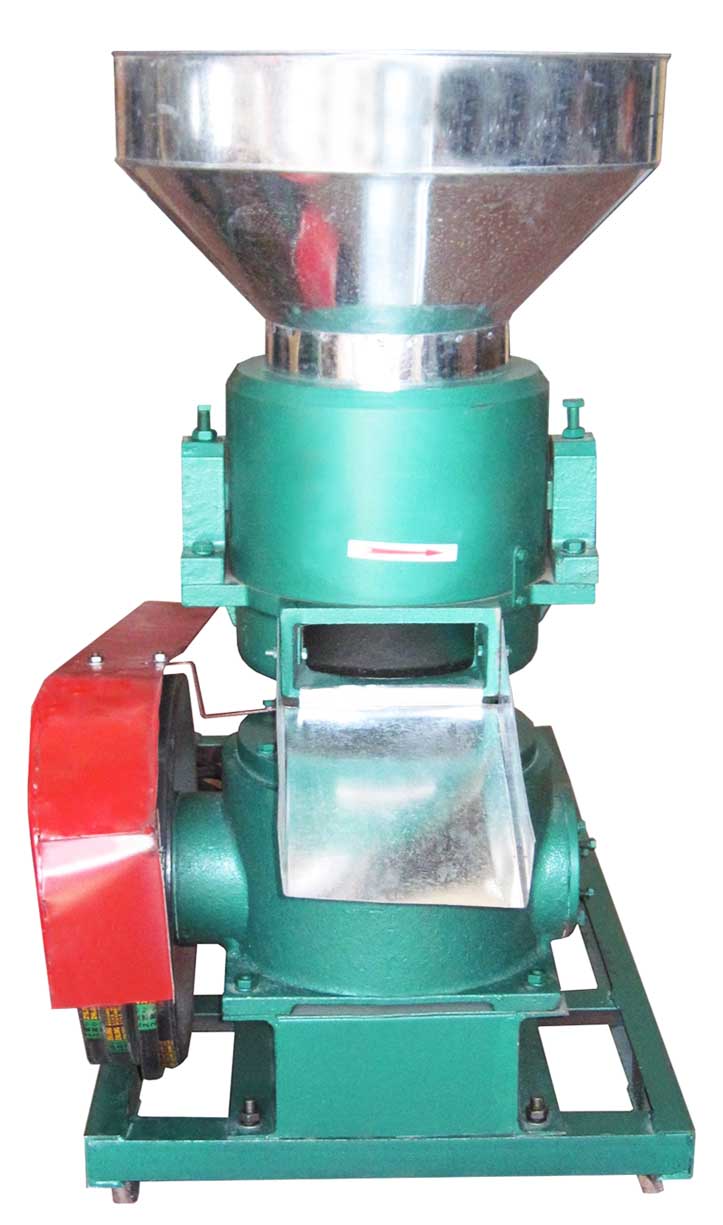
The structure of the granulator can be described by the following principal assemblies:
- bedframe;
- loading hopper;
- engine;
- shaft;
- gearbox;
- movable ring matrix or matrix in the pressing chamber;
- breaking knives.
From the list, it can be seen that the difference between the two types of granulators lies in the type of matrix. On equipment with movable and stationary dies, granulated feed of decent quality is obtained. The density of the output granules will depend on the degree of compression of the loaded raw material.
How granulator parameters affect feed properties
The power of the apparatus can vary and depends on meeting the needs of the feed producer. We will consider the aspects that influence quality indicators.
- Homogeneity. A high degree of mixing of raw materials followed by pressing leads to an even distribution of ingredients in each unit. This allows organizing a balanced nutrition; it is important that the granules contain an equal amount of vitamins and energy for good growth.
- Bacterial safety. In the process of granule formation, steam treatment should be used, which will eliminate the impact of pathogenic microbes and preserve animal health. In addition, disinfected feeds can be stored better.
- Matrix hole diameter. The optimal granule size is responsible for good digestion of food at a certain age or depending on the size of the animal. The diameter is determined by who the feed will be given to: geese, chicks, or cows.
Feed granulator, characteristics in relation to the destination goal
Granule strength is the main evaluation category that determines the efficiency of the granulator. Well-pressed particles do not crumble; the fine fraction in industrial production has a norm of "no higher than 5%".
Since the substrate turns out dry, the product does not spoil during storage. Therefore, feed equipment is often purchased for the purpose of selling the produced goods. For this, high-performance granulators are suitable, as well as the feed extruder.
Small granulators are applicable for private needs and cope with various types of processed raw materials.
05/01/2022