
 UKR
UKR RU
RU SK
SK


Polyfacades have become quite popular recently. To put it simply, a polyfacade is a material that can be used for exterior finishing and decoration of a building. Thanks to its creation principle, a polyfacade has high operational characteristics, which are reflected in the wide use of the material. Let's consider the pros and cons of using polyfacade molds, and the features of using polyfacade molds.
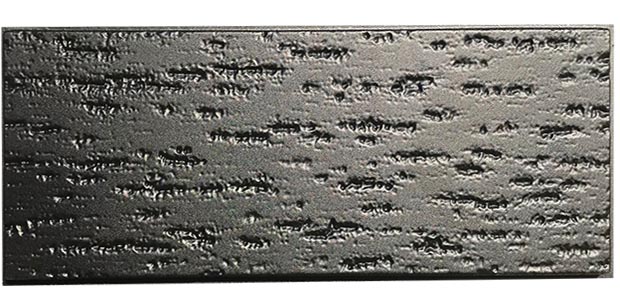
Features of using polyfacade molds
Before talking about the molds, some points about polyfacades should be discussed. They consist of 2 layers. The first layer (also the base or main one) contains basalt wool in its composition. It can reach up to 10 cm in thickness; these parameters are responsible for thermal insulation. Sometimes basalt wool can be replaced with polystyrene foam, which is usually found in self-made polyfacades. As for the second layer, it is most often called decorative. Most commonly, the composition of the decorative layer is represented by sand, cement, and water. To make the mixture more durable, fiber and other additional additives are also added to it. The main secret to obtaining a high-quality polyfacade is the correct bonding of the two layers.
Fortunately, today there is a large selection of molds for polyfacades. But after purchase and long-term operation, minor defects may appear on the molds themselves, which can lead to poor-quality creation of the subsequent product. That is why you should know some operating rules to make their service life longer.
It is important to understand that all molds are subject to natural wear and tear, because of which the final concrete product looks poor quality, its surface is not smooth, and the structure remains porous. If you notice a micro-scratch, crack, or tear on the mold, you should immediately proceed with reconstruction. It is recommended to carry out repair work exclusively in the fresh air. If this is not possible, the room in which the equipment repair will be carried out must be equipped with supply and exhaust ventilation. A mandatory condition is also the presence of personal protective equipment – a mask, gloves, glasses. To remove the scratch, you also need to prepare a 20 percent hydrochloric acid solution (can be replaced with any cleaner for removing cement mortar), a solvent, a brush (preferably wide), a rag.
To remove the scratch from the mold, you must first place it on a flat horizontal surface. After that, apply a cleaner or solution on the front side of the product and leave it for 20 minutes. The cleaner will eat away the concrete mortar for further work. After all the concrete is eliminated, it is necessary to rinse the mold and let it dry thoroughly. Using a cotton cloth, you need to apply a little acetone or solvent to the surface. After 3 minutes, you can wash everything off with water and let the surface dry again.
Thus, hydrochloric acid removes all residues of the concrete mixture, and acetone helps to fill all scratches - thus the entire surface of the mold is leveled.
After treating the mold with hydrochloric acid, the remnants of the cement mortar are removed from its surface, and the acetone applied afterwards fills the previously formed scratches with dissolved plastic. Thus, its surface is leveled.
Proper operation of polyfacade molds allows pouring up to 100 times. Each time you need to work carefully with the mold so as not to damage it. Do not forget about cleaning the polyfacade molds, as this is also very important.
If you still decide to cast products yourself, in our store you can buy a mold for paving slabs, and you can also find polyfacade molds, the price of which will pleasantly surprise you.
26/01/2022