
 UKR
UKR RU
RU SK
SK


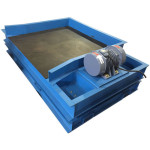
In modern construction, vibrating tables have become one of the key
tools that ensure quality production of concrete products. These devices are an
indispensable technique with a number of advantages and a wide range of
applications in various areas of the construction industry.
Advantages of vibrating
tables:
- High quality
products: vibrating tables ensure uniform compaction of
concrete, which allows to produce products with high strength and
durability.
- Efficiency: thanks to
the mechanised compaction process, vibrating tables significantly speed up
production cycles, reducing the time needed to form and cure concrete
products.
- Resource
savings: the use of vibratory tables reduces costs for manual
labour and materials by optimising production processes and reducing
scrap.
- Variety of
sizes and shapes: the range of vibrating tables allows you to find the
right size and shape of table for the production of various concrete
products, from tiles to blocks and kerbs.
- Easy to use:
the vibrating tables are easy to set up and maintain, making them
accessible for operation even without specialised training.
Areas of application of vibrating tables:
- Production
of concrete blocks and slabs: vibrating tables are
widely used in enterprises engaged in mass production of concrete blocks,
slabs and other building elements.
- Construction
of roads and footpaths: vibrating tables allow compact
placement of concrete mixes in the construction of pavements, ensuring
their durability and smooth surface.
- Production
of concrete structures: vibrating tables are used in the
production of concrete structures for various purposes, including
foundations, walls and floors of buildings.
- Landscaping:
Vibratory tables are used to create landscaping elements such as
kerbs, concrete fences and decorative elements.
- Production
of septic tanks and wells: vibrating tables ensure
tight compaction of concrete walls of septic tanks and wells, guaranteeing
their reliability and durability.
Vibrating tables are an important link in the modern concrete production
process. Their advantages include high product quality, efficiency, resource
savings, variety of sizes and shapes, and ease of use. Applications for
vibratory tables in the construction industry include concrete block
production, road construction, concrete structures, landscaping, septic tanks
and wells. Optimising production processes using vibratory tables can improve
product quality and reduce costs, making construction more efficient and
cost-effective. With the use of vibratory tables, companies can significantly
increase their productivity and competitiveness, which is reflected in the
quality of their products and customer satisfaction.
07/03/2024