
 UKR
UKR RU
RU SK
SK


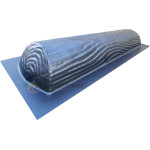
In construction, it is important to know how to choose the right tools
and materials for the task at hand. Choosing the right kerb moulds is key to
creating durable and aesthetically pleasing elements of walkways, bike lanes,
and other public spaces. However, among the many mould options, acrylonitrile
butadiene styrene (ABS) moulds stand out for their strength, durability, and
ease of use.
Advantages of ABS kerb moulds
Before looking at tips for choosing a mould, it is important to
understand why ABS plastic moulds are the preferred choice for kerb production.
ABS plastic has high strength, which makes the moulds made of it
resistant to mechanical impact and wear. This ensures the durability of the
kerb produced using such moulds.
Due to the high precision of manufacturing, ABS plastic moulds allow you
to produce borders with clear and well-defined patterns and textures.
Plastic moulds are easy to maintain. They are easy to clean from
concrete and other contaminants, which extends the life and maintains the
quality of the kerb. ABS plastic moulds offer a wide range of designs and
textures, allowing you to create unique and creative kerbs that match the
architectural style of the project.
Practical advice on choosing a mould
The following points should be considered when selecting an ABS mould
for a kerb:
- Size and
shape of the kerb: the shape should match the required size and
shape of the kerb. Different projects may require a variety of sizes and
shapes, so it is important to select shapes to meet the specific
requirements of the customer.
- Texture and
pattern: the choice of texture and pattern depends on the
design of the landscape and surrounding architecture. ABS plastic moulds
offer a wide range of textures, from natural stone imitations to abstract
patterns.
- Quantity and
efficiency of use: optimise the choice of mould based on production
volume. Select a mould that maximises resource utilisation and reduces
time and material costs.
Recommendations for the use of the form
Once the appropriate mould has been selected, it is important to apply
it correctly:
- Preparation
of the mould: before pouring the concrete mixture, the mould
should be treated with a special agent to avoid concrete sticking and to
ensure easy removal of the finished kerb.
- Pouring
concrete: follow the recommendations on the composition of
the concrete mixture and pouring technology to obtain a high-quality and
durable kerb.
- Removal and
finishing: after the concrete has set, the kerb can be
removed from the mould and the edges or surface can be further finished if
necessary.
Choosing the right ABS kerb mould is a key step in creating quality and
durable construction projects. By following practical tips and advice, you can
make the most of these moulds in your construction projects, ensuring high
quality and durable kerbs. Construction companies focused on innovation and
quality always choose ABS plastic moulds for their projects.
28/03/2024