
 UKR
UKR RU
RU SK
SK


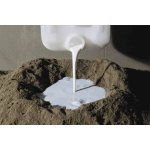
Concrete is one of the most widespread and universal building materials
used in various areas of construction. In its production, the key role is
played not only by the quality of raw materials and correct proportions, but
also by special additives. These additives are designed to improve the
characteristics of concrete, making it stronger, more durable and resistant to
various influences. In this article, we will look at the role of admixtures in
improving the quality of concrete and their main types.
The role of admixtures in improving concrete quality
Admixtures in concrete perform a number of important functions, among
them:
- Increased
strength: some admixtures contribute to the formation of a
stronger and more stable concrete structure, which increases its strength
and resistance to stress.
- Improved
workability: additives can improve the flowability of
the concrete mixture, making it more pliable and easily mouldable, which
facilitates the pouring process and improves the surface quality of the
product.
- Reducing
water absorption and shrinkage: Some
admixtures help to reduce water absorption and shrinkage of concrete,
making it more resistant to moisture and temperature changes.
- protection
against corrosion and aggressive media: special
additives can protect the reinforcement against corrosion and make the
concrete resistant to aggressive media such as chemicals or seawater.
- Improved
aesthetics: some admixtures can give concrete a
certain colour, texture or sheen, making it more visually appealing.
Main types of admixtures in concrete
There are many different additives, each designed to fulfil specific
functions and achieve specific objectives. The following are the main types of
additives most commonly used in construction:
- plasticisers: these
additives improve the flowability of the concrete mixture, making it more
pliable and easily mouldable without increasing the amount of water.
- setting
accelerators: to speed up the curing process of
concrete, which is especially important in low temperatures or when rapid
construction is required.
- setting
retarders: on the contrary, they slow
down the curing process of concrete, which can be useful when longer time
is needed for casting and forming of products.
- plasticising
additives: help to reduce the amount of water in the
concrete mix without loss of workability, which helps to increase its
strength.
- air-retaining
admixtures: allow the creation of microscopic air
cavities in the concrete, improving its frost resistance and resistance to
moisture cycling.
- hydrophobisers: reduce water
absorption of concrete, making it more resistant to moisture and damp
environments.
- coloured
admixtures: allow concrete to be given different
shades and hues, making it more aesthetically pleasing.
Additives in concrete play a key role in enhancing its quality and
functionality. Choosing the right admixture depends on the specific
requirements of the project and the desired characteristics of the final
product. However, regardless of the choice, the use of admixtures will help
ensure the creation of strong, durable and high quality concrete structures.
14/05/2024