
 UKR
UKR RU
RU SK
SK


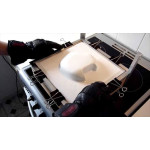
The vacuum forming process is used to create a variety of products,
including concrete elements, using ABS plastic molds. An important step in this
process is the production of models, which serve as the basis for future molds.
A properly made model ensures the quality of the finished product and the
durability of the molds.
Selecting a material for the
model
The first step in creating a model is to select the appropriate
material. Depending on the type of final product and its complexity, different
materials can be used:
- Tree. Used to
create large models with simple shapes. Easy to process, but can be
sensitive to moisture, which requires additional protection.
- Expanded
polystyrene or polyurethane foam. A good option for
creating lightweight models with complex geometry. Easy to cut and shape,
but requires careful surface finishing.
- MDF or
plywood. Durable materials that hold their shape well and can withstand
long-term use.
- 3D printing. A modern
method that allows for the production of complex models with high
precision. The materials used in 3D printing provide high detail and
repeatability.
Preparation of drawings and
design
Before you start creating a model, it is important to prepare detailed
drawings and 3D models of the future product. Modern 3D modeling programs allow
you to calculate the exact parameters of the form and take into account the
features of vacuum forming, such as angles of inclination and radii of
rounding.
Making a master model
Based on the drawings, the process of making the master model begins.
This stage requires high precision and accuracy, since all defects on the model
will be transferred to the final form. When creating a model, it is important
to take into account the technological tolerances that affect the molding
process.
- Grinding and
polishing. In order for the form to be as smooth and flawless as possible,
the surface of the model is carefully polished. This allows you to achieve
the ideal texture of concrete when pouring.
- Priming and
paintingTo protect the model from the effects of vacuum and to increase its
strength, it is recommended to apply a layer of primer and paint the
model.
Tips for Creating Successful Models
- Choosing the
right tilt angleThe tilt angles on the model should be at least
3-5 degrees to facilitate removal of the mold after molding.
- Control over
corner radius. Sharp corners can cause cracks in finished
forms. It is recommended to make small radii of rounding to improve the
strength of the form.
- Accounting
for material shrinkage. Some model materials may shrink after
processing. This is important to consider at the design and manufacturing
stage to avoid distortions in the finished product.
- Use of
release agentsIn order for the mold to be easily removed from
the model, it is necessary to use special release coatings that prevent
the ABS plastic from sticking.
Making a quality model for vacuum molding is the basis for successful
production of molds for concrete products. Correctly selected materials, a
carefully developed project and careful processing will help to create a
reliable mold that will last a long time and ensure precision in concrete
production.
25/09/2024