
 UKR
UKR RU
RU SK
SK


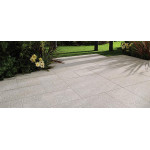
When creating pavements and walkways, one of the key elements is paving
slabs. This material not only provides a durable and stable surface, but also
serves as a decorative element, giving the overall appearance of streets and
pedestrian areas a special charm. However, in order to achieve optimum results
in the production of paving slabs, attention must be paid to the choice of
moulds and the use of special additives such as fibre.
Selection of paving slab moulds
One of the primary steps in the production of paving slabs is the
selection of suitable moulds. The moulds determine not only the appearance of
the tiles, but also their characteristics such as durability, resistance to wear
and frost resistance. It is important to consider the following aspects when
selecting moulds:
- Geometric
shape: paving slab moulds can have various geometric shapes such as
squares, rectangles, triangles and hexagons. The choice of shape depends
on the design of the pavement and the customer's preferences.
- Dimensions:
The dimensions of the moulds also play an important role. They
determine the size and shape of the tiles. The variety of sizes allows you
to create a variety of patterns and compositions.
- Quality of
material: the moulds must be made of a quality material that
ensures dimensional accuracy and durability. Moulds made of ABS plastic
are the ideal choice due to their durability and resistance to wear and
tear.
- Ergonomics:
the usability of the moulds is also important. They should have a
smooth surface and be easily removable to ensure a comfortable and
efficient production process.
Utilising fibre for optimal results
In the manufacturing process of concrete products, including paving
slabs, the use of fibre can significantly improve their performance. Fibre is
added to the concrete mix and improves its strength, durability and resistance
to cracking. This is why the use of fibre is a key aspect of paving tile
production:
- Increased
durability: fibres embedded in the concrete mix increase its
strength and resistance to stress, making the paving slabs more durable.
- Crack
prevention: fibre helps prevent small cracks from appearing
on the surface of the tiles, which keeps them looking good for longer.
- Improved
wear resistance: the addition of fibre makes the paving slabs more
resistant to wear and tear, which is particularly important in high
traffic areas.
- Saving time
and resources: the use of fibres reduces concrete consumption
without compromising the strength of the product, which in turn reduces
material costs and saves production time.
The art of paving requires careful attention to the choice of moulds and
the use of innovative technologies such as fibre additives. The right choice of
mould and the optimal use of fibre will achieve high quality and durability of
concrete products, thus improving the overall appearance and functionality of
pavements.
13/02/2024