
 UKR
UKR RU
RU SK
SK


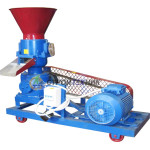
Feed pellet mills are important equipment for farms that allow efficient
processing of grain mixtures and other components into pellets for animal
feeding. Selecting the right pellet mill model can significantly increase
productivity and save on feed.
Criteria for selecting a granulator
To choose the right pellet mill for your farm, consider the following
factors:
- Performance
This is a key indicator that determines how much feed the equipment can process in a certain time. For small farms, a pellet mill with a capacity of up to 100 kg/h will be sufficient, while large farms may require a device with a capacity of up to several tons per hour. - Drive type
Granulators can be equipped with an electric or diesel engine. Electric models are convenient for stationary operation, while diesel ones are suitable for mobile use in fields or in conditions of limited access to electricity. - Granule
diameter
Depending on the type of animal the feed is intended for, it is important to choose granulators with the ability to adjust the diameter of the granules. Small granules are suitable for birds, and large ones for cattle. - Material and
quality of execution
The reliability of the equipment depends on the quality of the materials from which the granulator is made. Make sure that the body and working elements are made of durable metals that are resistant to corrosion and wear. - Additional
functions
Some pellet mills are equipped with additional functions such as pellet cooling, automatic raw material feeding system or cleaning. This can significantly facilitate the work and increase the efficiency of the process.
Advantages of using pellet mills for compound feed
The use of feed pellet mills provides many advantages for farms:
- Saving on
feed. Granules are more nutritious and are absorbed by animals more
efficiently, which reduces feed consumption.
- Extension of
shelf lifeGranulated feed retains its properties longer and
does not spoil quickly.
- Reduction of
feed lossesAnimals do not scatter or waste granules, as
happens with loose feed.
- Versatility
of useGranulators allow processing various feed components: grains,
herbs, meal and other additives.
Choosing a feed pellet mill is an important decision that affects the
productivity of your farm. Focus on production volumes, animal types, and the
characteristics of your farm to choose the best model. Properly selected
equipment will not only save money, but will also improve the quality of animal
feed, which will lead to better results in their nutrition and health.
17/09/2024