
 UKR
UKR RU
RU SK
SK


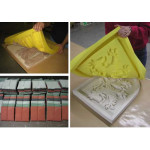
In the world of construction, concrete pouring moulds play a key role in
the creation of various concrete products, from paving slabs to wall panels.
Choosing the right mould affects the quality and efficiency of the production
process. In this article, we will look at the different types of concrete
pouring moulds, their uses and features.
Classic plastic moulds
Classic plastic moulds are among the most common options for pouring
concrete. They are usually made from polypropylene or polyethylene and are
available in a variety of sizes and shapes. Their main advantages are:
- Low cost: Plastic moulds
are available at an affordable price, making them an attractive choice for
many construction projects.
- Lightweight:
They are lightweight and easy to transport and use, making it easy
to pour concrete.
- Durability: Well-made
plastic moulds are strong enough to withstand the pressure of concrete and
provide accurate geometric dimensions.
ABS plastic moulds
ABS plastic moulds are a more modern and durable option for pouring
concrete. Acrylonitrile butadiene styrene (ABS) is a high-strength plastic that
provides highly accurate and durable moulds. They have a number of advantages:
- High
precision: ABS plastic moulds allow you to produce sharper
and more detailed concrete products due to the precision of manufacturing.
- Durability: These moulds
are highly resistant to wear and tear and mechanical damage, which
increases their lifespan.
- Wide range
of designs: ABS plastic moulds offer a variety of textures
and patterns, allowing you to create unique concrete products.
Rubber moulds
Rubber moulds offer great flexibility when casting concrete due to the
elastic properties of rubber. They allow the creation of more complex shapes
and details such as reliefs and recesses. Rubber moulds are easy to bend,
making them convenient for creating curved elements.
Metal moulds
Metal moulds are also widely used in construction, especially for the
production of larger concrete products such as wall panels or foundations. They have the following features:
- High
strength: Metal moulds provide a high degree of strength
and resistance to deformation under concrete pressure.
- Durability: They can
withstand repeated use, making them a cost-effective option in the long
run.
- Application
for complex moulds: Metal moulds can easily be made to produce
concrete products with unconventional shapes or complex geometries.
Choosing the right concrete pouring mould is critical to the success of
construction projects. Understanding the different types of moulds and their
application will help you choose the best solution for your specific
application. Stroytechnik offers a wide range of high quality ABS plastic
moulds ready to meet the needs of any project.
21/03/2024