
 UKR
UKR RU
RU SK
SK


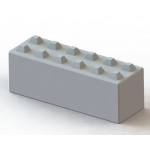
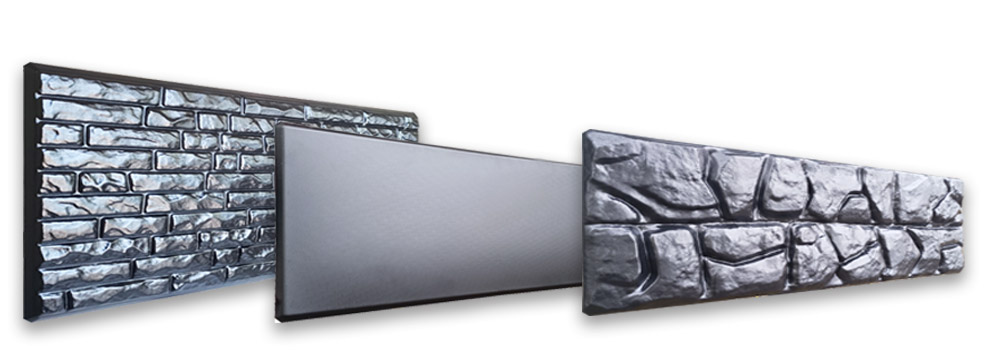
Concrete blocks have gained popularity not only in children's construction,
but also in professional construction due to their functionality and
durability. The use of moulds for the production of concrete blocks opens up new
possibilities for creating reliable and durable building elements.
Advantages of concrete blocks
Concrete blocks have a number of advantages that make them ideal for
construction projects:
- Easy to
assemble: concrete blocks are easy to connect together,
speeding up the building process and reducing labour costs.
- Durability: concrete blocks
are made of high quality concrete, which ensures their durability and
resistance to external influences.
- Cost-effective:
using concrete blocks reduces material and labour costs, making
construction more affordable.
- Design
flexibility: concrete blocks allow you to create different
architectural shapes and structures, which opens up new possibilities for
designers and architects.
Types of moulds for concrete blocks
There are many types of Lego block moulds on the market. Let's consider
the most popular ones:
- Plastic
moulds: plastic moulds are lightweight and easy to use. They are ideal for
small and medium-sized production. Plastic is resistant to wear and tear
and requires no special maintenance.
- Metal
moulds: metal moulds are more durable and sturdy. They are suitable for
mass production of concrete blocks. Metal
moulds ensure high precision and uniformity of products.
- Silicone
moulds: silicone moulds are highly flexible and durable. They allow the
production of blocks with complex shapes and textures. Silicone is chemically resistant and easy to
clean.
How to choose a mould for concrete blocks
There are several factors to consider when choosing a mould for making
concrete blocks:
- Mould
material: the choice of material depends on the production
volume and the strength requirements of the blocks. Plastic moulds are
suitable for small volumes, metal moulds for mass production, silicone
moulds for complex products.
- Size and
shape: the moulds must match the required size and
configuration of the units. Consider
project requirements and operating conditions.
- Quality: Pay
attention to the quality of the mould. It must be sturdy, resistant to
wear and tear and not deform during use.
- Price: The cost of the
mould should be in line with your budget. Consider not only the price of
the mould itself, but also the cost of maintenance and replacement.
Using moulds to produce concrete blocks opens up new possibilities for
creating durable and functional building elements. Choosing the right mould and
following the recommendations for its use will ensure high product quality and
durability of the moulds. Stroytechnik offers a wide range of Lego block moulds
that will help you to realise the most daring projects in construction.
18/07/2024