
 UKR
UKR RU
RU SK
SK


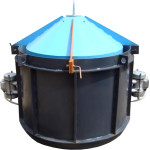
Well concrete rings are an important element for structures of various
purposes, including water drainage, septic tanks and other construction
objects. In order to create reliable and durable concrete rings, it is
important to choose the right forms for their manufacture.
Advantages of concrete well rings
Concrete rings are used in the construction of wells and sewer systems
due to their strength, durability and ability to withstand heavy loads. The advantages of these products include:
- High
resistance to mechanical damage;
- Long service life;
- Easy installation;
- Environmental safety.
However, to achieve all these benefits, it is extremely important to
choose the right shapes in which the rings will be made.
Important characteristics of forms for concrete rings
- Material of
forms
Molds for the production of well rings can be made from various materials. The most popular are steel and plastic molds. - Steel forms– are
characterized by high strength and durability, but are heavier, which
complicates their transportation.
- Plastic
forms– lighter and more convenient to use, but require more careful
maintenance to prevent deformation with repeated use.
- Sizes of
forms
Standard sizes of well concrete rings vary from 70 cm to 150 cm in diameter, with a height of 50 cm to 100 cm. The choice of shape should correspond to the required parameters of future products to ensure ease of installation and accuracy when connecting elements. - Shape and
configuration
Most forms have a standard cylindrical shape, but there are also forms with additional elements, such as locking joints for easy joining. When choosing a form, it is important to consider whether you need a smooth surface or special protrusions for connections.
The main stages of production of concrete rings
The production of well concrete rings begins with the preparation of the
form and pouring the concrete mixture. It is important to follow a clear
technology to obtain a quality product:
- Preparing
the form
The mold must be clean and lubricated with a special compound to facilitate the removal of the finished product. This will prevent the concrete from sticking to the mold and avoid defects on the surface of the ring. - Pouring
concrete mix
The concrete mixture is poured into the form layer by layer, with each layer being compacted to remove air bubbles. After the form is filled, the mixture must gain sufficient strength before being removed. - Extraction
and further processing
After the concrete ring has hardened, it is carefully removed from the mold. The finished product can be further processed to improve its appearance or increase its strength.
Molds for well concrete rings play a key role in the production of
high-quality and durable products. When choosing a mold, consider factors such
as material, size, resistance to concrete and ease of removal of the finished
product. The correct choice of mold, as well as compliance with the production
technology, will ensure high quality of concrete rings and their long service
life.
14/09/2024