
 UKR
UKR RU
RU SK
SK


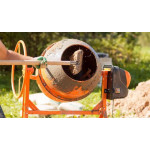
When choosing a concrete mixer or mortar mixer for construction work, it
is important to consider many factors that directly affect the efficiency of
work and the quality of the mixture. These devices become indispensable in
construction when fast and uniform preparation of concrete and mortars is
required.
Main types of concrete mixers and mortar mixers
The Ukrainian market offers a wide range of equipment for mixing
concrete and mortar, which can be divided into several types:
- Gravity
concrete mixers. In this type of equipment, the drum rotates
and, under the influence of gravity, the components of the mixture move
inside, which allows for uniform mixing of the mixture. This is one of the
most popular solutions for private construction and small jobs.
- Forced
concrete mixers. In such models, the mixture is mixed with
special blades inside a stationary drum. These devices are more often used
in professional construction sites, as they provide a higher quality
mixture.
- Mortar
mixers. These devices are designed for the preparation of building
solutions. They differ from concrete mixers in their smaller volumes and
more delicate mixing process.
Each type of equipment has its own characteristics that must be taken
into account depending on the construction needs.
How to choose a concrete mixer: important parameters
Before purchasing a concrete mixer, you need to pay attention to several
key parameters:
- Drum volume. The volume
determines how much solution you can prepare in one cycle. For private
construction work, volumes of up to 150 liters are often sufficient, and
for large-scale projects, models with a volume of 200 liters or more may
be needed.
- Engine power. Power
affects the speed of rotation of the drum and the quality of mixing. The
higher the power, the more efficient and faster the mixing process,
especially when it comes to large volumes.
- Drive typeThere are
two main types: belt and gear. Belt drive is cheaper and easier to
maintain, but gear is considered more reliable and durable, especially for
intensive use.
- Material and
workmanship. The reliability of the equipment directly
depends on the materials from which it is made. Particular attention
should be paid to the quality of the drum and frame. Steel models with
anti-corrosion treatment will last longer and will be more resistant to
external influences.
- Mobility and
transportationDepending on the construction conditions,
equipment on wheels may be required for easy movement around the site.
Choosing a concrete mixer or mortar mixer is an important stage in
preparing for construction work. Having decided on the type of equipment, its
power, volume and other key parameters, you can significantly improve the
efficiency and quality of the work.
11/09/2024