
 UKR
UKR RU
RU SK
SK


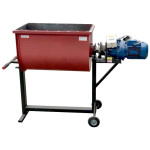
The choice of a concrete mixer is based on its type, characteristics, and shape. The buyer can get all the necessary qualities from the device and perform large-scale concrete work at the most comfortable level. Two varieties of this equipment can be found on the market.
Forced-Action Concrete Mixer: Pros, Cons, and Features
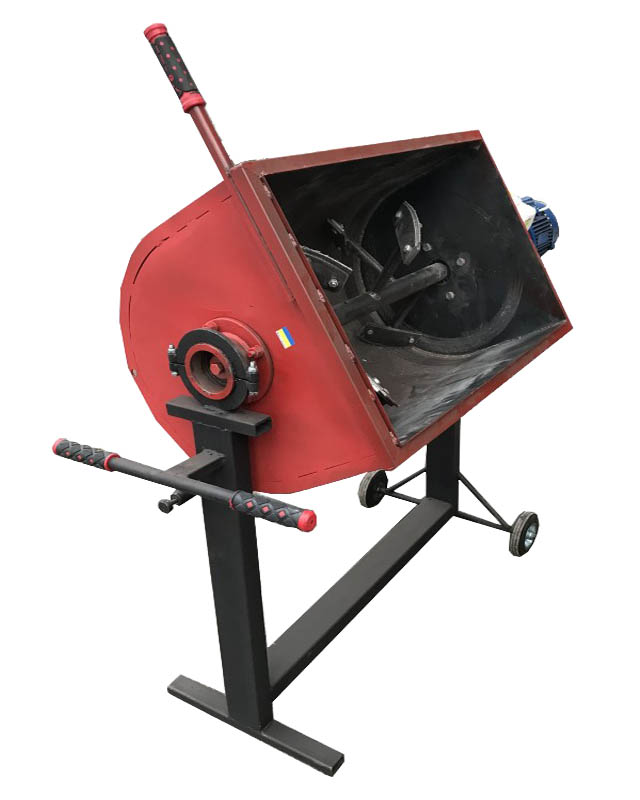
The operating principle of a forced-action concrete mixer is based on the rotation of blades that mix the mixture. At the same time, they can operate in both horizontal and vertical positions. The rotation speed of a forced-type concrete mixer is regulated using a control panel. Depending on the required volume of mortar, the operator sets the desired mixing mode.
Among the positive features, the following indicators can be highlighted:
- the device has a high level of mortar mixing, as all components are forcibly removed from the walls and bottom;
- the mixture is of high quality due to more active blending;
- ease of operation allows selecting equipment according to the consumer's needs;
- the ability to choose the unit's capacity;
- availability of power supply from a 220 or 380 Volt network.
All these positive factors ensure high demand for the equipment. However, it also has several disadvantages in the form of problematic material unloading from the drum and fairly difficult equipment maintenance. These cons do not diminish the quality of the device and its demand.
What are the Features of the Gravity Option?
Mixing in a gravity concrete mixer occurs due to the rotation of the drum itself. There are special ribs on its walls that lift the mixture and ensure its blending. At the same time, when it catches on them and rises, it falls down under its own weight.
The power of a gravity-type concrete mixer is not high, as it is mostly intended for work with small and medium volumes. Among the advantages are the ability to connect to a 220 Volt network, light weight of the structure, availability of full transportation, and ease of maintenance.
Among the disadvantages, a significant one is the low level of miscibility. Some components settle down and rise, making the mixture heterogeneous and layered. Additionally, this type of concrete mixer is prone to gear and motor breakdowns since they lack a protective casing.
Such models can often be found in private houses or small productions. They are suitable for those who use mortar infrequently, but do not want to mix concrete manually. The technique has a low price due to the simplified design, making it affordable for many buyers.
In our "Budprom" store, you can find out the price of a concrete mixer, choose the necessary model, and purchase equipment on favorable terms. Additionally, buyers can pick up molds for garden figures from us. They can be made of concrete independently, simply by using the casting of the purchased mold.
13/12/2021