
 UKR
UKR RU
RU SK
SK


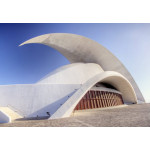
Concrete, one of the most
important materials in modern construction, is undergoing an incredible
evolution thanks to modern technology and innovation. Architects and builders
around the world are finding new and exciting ways to use concrete to create
amazing architectural works of art. In this article, we take a look at the top
trends in architectural construction, focusing on the use of concrete and
modern equipment.
Geometric
shapes and textures
Modern architects are
increasingly turning to the geometric shapes and textures of concrete to create
unique buildings. From abstract facades to sculptural elements, concrete is
becoming a canvas for expressing creative ideas. Innovative concrete molds make
it easy to create complex geometric structures.
Environmental
friendliness and sustainability
Modern construction
emphasizes sustainability and environmental friendliness. Concrete as a
material is not lagging behind. Concrete products are becoming more
environmentally friendly thanks to modern technologies and production methods.
They have high thermal insulation and durability, which reduces the burden on
the environment.
Transparent
concrete elements
Transparent concrete
elements are becoming popular in modern architecture. These elements allow
natural light to penetrate into buildings, creating unique lighting effects.
Such innovations are made possible by new molds and equipment for the
production of concrete products.
Reusable
molds
Modern concrete product
molds have become more durable and reusable. This reduces costs and waste in
the production of concrete elements, making the process more cost-effective.
Technology
integration
With the use of modern
equipment such as 3D printers and CNC machines, architects can create more
complex and precise concrete structures. This makes it possible to realize
projects that previously would have been impossible.
Landscape
and concrete
Concrete is now being used
extensively to create landscape elements. From bridges and sidewalks to slabs
and walls, concrete products contribute to the creation of unique landscapes
and cityscapes.
Cost-effectiveness
Concrete remains one of the
most cost-effective building materials available, and this makes it an ideal
choice for a wide range of projects. With the use of modern molds and
equipment, the production of concrete products becomes even more cost
effective.
In conclusion, concrete and
architecture go head-to-head, opening up new horizons for creativity and
innovation. With the use of modern concrete forms and equipment, architects and
builders can realize the most daring ideas. Concrete remains a consistently
important element of modern construction and promises to continue to evolve in
the future.
11/12/2023