
 UKR
UKR RU
RU SK
SK


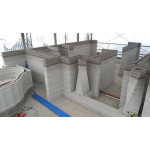
Modern construction
continues to evolve, breaking new ground with innovative technologies. One of
the most exciting and promising is 3D printing in construction, especially when
it comes to the use of concrete. This technological solution opens the door to
unlimited possibilities in creating strong and stable structures.
3D printing in
construction: main advantages
3D printing in construction
is the process of creating three-dimensional objects from digital models using
specialized equipment. When this is applied to concrete, the possibilities
become even more exciting. Through this process, a variety of concrete structures
can be created, from walls and foundations to decorative elements.
The use of 3D printing in
the construction of concrete structures can significantly reduce the time
required to complete projects. This is especially true compared to traditional
construction methods, where each block or element must be installed separately.
In addition, material consumption is reduced due to waste minimization.
One of the most valuable
benefits of 3D printing concrete structures is the ability to create more
complex and unique shapes. The technology makes it possible to realize projects
that are difficult or impossible to realize using traditional construction methods.
This opens the door for creative approaches to design and architecture.
3D printing of concrete
structures is already demonstrating its effectiveness in many construction
projects around the world. In the future, this technology may become more
widespread, being incorporated into all aspects of the construction industry.
Improvements in printing accuracy and speed, as well as the wider range of
materials used, make it more attractive to engineers and architects.
Perspectives on 3D
printing in construction:
Housing construction
The use of 3D concrete
printing has already found application in the creation of residential homes and
temporary structures. This provides the opportunity for fast and cost-effective
construction of dwellings.
Production of
infrastructure elements
3D printing can also be
used to manufacture various infrastructure elements such as bridges, roads, and
other public elements.
Architectural and design
solutions
3D printing technology
allows architects and designers to realize bolder and more innovative ideas in
creating unique structures and elements.
3D printing of concrete
structures is a promising technology that is gaining importance in the
construction industry every day. Its
advantages of speed, design flexibility and environmental sustainability make
this construction method a promising and sought-after method in today's
industry. Understanding its benefits and capabilities opens up new horizons for
the development of the industry and creating a more sustainable and efficient
infrastructure.
12/01/2024