
 UKR
UKR RU
RU SK
SK


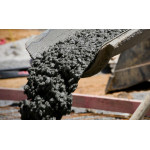
Production of Concrete Products in Winter and Its Features
Frost forces workshop owners to change their usual work rhythm. The mixture outdoors cools down faster, and the water in it tends to turn into ice. If the process is left to chance, the finished blocks will simply crumble at the very first demolding. It is important that the concrete temperature is within normal limits, and to look for ways to retain heat inside the mass.
Ordinary summer methods will not help here; constant control over degrees is needed. It is difficult to manage without adding anti-frost liquid components or heating the water. Excessive haste in the frost always backfires and adds work to the quality control inspectors. One has to spend more time preparing each individual batch.
The Impact of Temperature on Concrete
The conditions of concrete hardening are affected by a chemical reaction that requires heat. When the thermometer drops below zero, this reaction stops due to frozen water. Instead of a monolith, a loose mass is obtained that crumbles from any weak blow. It is then practically impossible to restore strength to a frozen mortar.
To monitor the situation in the workshop, workers usually use such devices:
- simple alcohol thermometers for air;
- sensors for measuring heat inside the array;
- raw material moisture meters in the warehouse;
- exposure time control timers.
The temperature during concrete production must be constantly monitored. This helps to notice the problem in time before the entire shift freezes. The guys in the workshop immediately turn on heating or cover the finished rows with film. This saves the batch from destruction and preserves the company's money.
Concreting at Low Temperatures
Working in an unheated room in winter turns into a constant struggle with the cold. Sand and crushed stone from the street lie in icy blocks that cannot be mixed normally. They have to be heated in advance with heat guns or brought inside to melt the ice.
So as not to throw away tons of defective products in winter, masters monitor the following things:
- water temperature for mixing the mortar;
- density of laying the mixture into the corners of the molds;
- curing time of products under film;
- absence of drafts in the drying area.
This approach makes it possible not to close production for the long winter months. The enterprise continues to ship products to customers without long delays and downtime. Buyers receive their orders on time and without loss of quality.
Technology of Concrete Products Production
Any strong block begins with strict compliance with proportions and purity of components. Make a mistake by a kilogram of cement — and the entire strength of the product decreases. In addition to a good mortar, the master needs normal rigging for casting. Without strong matrices, the geometry of the stone will quickly float away.
Ordinary wooden or thin plastic boxes break after just a few casting cycles. A durable ABS mold withstands the weight of heavy mortar and does not change shape for years. You can order such consumables directly through the online store of the Stroytekhnik company. Managers will quickly assemble the necessary kit and send the order via a transport service.
14/09/2026