
 UKR
UKR RU
RU SK
SK


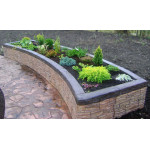
Garden design is an art, and flowerbeds play a key role in it. They allow you to accentuate the flowers, create coziness and organization. How to choose the right one so that the garden is not only beautiful, but also functional?
Why do you need the shape of the flowerbed?
The shape of the flowerbed affects the perception of the garden. The right shape allows you to highlight the flowerbed as the center of the composition, gives the garden a complete look and helps to create a certain mood. The choice of shape depends on the size of the plot, the style of the garden and, of course, your preferences.
Popular flowerbed forms
1. Round flowerbeds
A round flowerbed is a garden design classic. It is ideal for creating an accent in the center of the plot or at the entrance to the house. Round flowerbeds easily harmonize with plants of different sizes and shades, creating a cohesive and cozy picture. If you want to accent with bright colors, choose a circle.
2. Rectangular and square flowerbeds
These flowerbed shapes are often used to design paths or create organized flower areas. They are suitable for modern gardens with clean lines and structure. A rectangular bed will also be appropriate in a classic garden, if you complement it with decorative elements. Rectangular beds are ideal for plants that grow in straight rows, such as lavender or boxwood.
3. Wavy and winding flowerbeds
The winding form of the flowerbed is perfect for large gardens, as it allows you to “lead” the eye around the plot, creating the illusion of movement. This design will emphasize the naturalness and originality of the garden. Winding beds look especially good in landscape gardens and near natural water bodies.
4. Flowerbeds with irregular edges
This shape is suitable for gardens in the Provence or country style. The irregular edges make the flowerbed look lively and more natural, as if nature created it. Such a bed will become an organic part of a natural garden and will add coziness to it.
5. Tiered flowerbeds
If the plot has height differences or you want to highlight different flower zones, a tiered flowerbed is ideal. These can be small tiers of stone or large structures using wood or metal. Tiered flowerbeds help create depth and visually increase the space of the garden.
Materials for flowerbeds: what to choose?
The choice of flowerbed shape is inextricably linked to the materials from which it will be made.
- Stone. Stone beds are strong and durable, but they can be quite expensive. Suitable for creating natural and classic gardens.
- Wood. Wooden flowerbeds are a great solution for natural and eco-gardens. It is important to treat wood with special compositions to protect it from moisture.
- Metal. Metal borders or frames will add modernity to the garden. Suitable for flowerbeds of any form.
- Plastic. Plastic forms - a budget and universal option. Lightweight and weather-resistant, they are suitable for small flowerbeds.
The shape of the flowerbed is not only a way to highlight the plants, but also an important element in the design of the garden. By listening to your preferences and site features, you can choose a shape that will make your garden unique and cozy.
20/10/2024