
 UKR
UKR RU
RU SK
SK


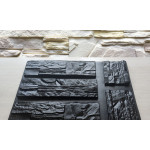
Modern facade molds offer great possibilities for creating a unique and attractive appearance of buildings. It is important to know how to choose and use these molds correctly for a durable and high-quality result.
What are facade molds?
Facade molds are special products used to create the outer layer of the facade finish. They can be made of different materials and are used to produce elements of facade finishing - panels, tiles, decorative inserts and other decorations. Their use makes it possible to give the building an aesthetically pleasing appearance, protects the walls from environmental influences and contributes to the improvement of sound and heat insulation.
Materials for façade forms
The choice of material for façade forms depends on the operating conditions and the intended load.
1. Plastic forms — budget and durable option. Plastic is resistant to moisture, frost and ultraviolet light. Plastic molds are often used to create decorative tiles and facade panels.
2. Rubber molds — flexibility and durability allow them to be used for intricate designs. Rubber is resistant to chemical influences and does not deform, making it ideal for creating complex facade elements.
3. Polyurethane molds — resistant to abrasion and have a long service life. Polyurethane molds are highly durable and suitable for multiple uses.
4. Silicone molds — the best option for creating intricate parts that require detailed relief. Silicone molds have high elasticity, which makes it easy to remove the finished product without damaging it.
How do you choose the right mold?
To choose a shape for facades, it is important to consider the following factors:
·
Design of facade.
Choose a form that matches the style of your project: classic, minimalist or modern.
·
Climate conditions. In harsh climates, choose materials that are resistant to temperature fluctuations, high humidity or arid conditions.
·
Production volume. For one-off projects plastic molds are suitable, and for mass production - polyurethane or silicone molds, which can be used repeatedly.
Correct use of molds for facades
1. Preparing the mold. Before using the mold, make sure it is clean and dry. This will ensure quality results and prevent defects on the finished product.
2. Material Preparation. To create facade tiles or panels, use suitable mixtures: cement - for durable facades, gypsum - for decorative elements.
3. Filling the mold. Fill the mold evenly to avoid voids and surface defects. If necessary, use a vibrating table to remove air bubbles from the mixture.
4. Removing the product. After the material has hardened, remove the product from the mold so as not to damage its edges. Silicone and polyurethane molds are particularly suitable for this task.
Facade molds play a key role in creating a unique and durable appearance of buildings. The right choice of material and adherence to the use of molds will provide you with long-lasting and high-quality products.
18/10/2024